
Health Wellness & Nutrition
We believe in treating the whole person in body, soul, and spirit to bring in a balanced life of peace and happiness
Dr. Emeran Mayer
“Our brain talks to our gut, and the microbiome talk to our brain."
digestion & mental health
The gut microbiome may even play a role in your emotional well-being
I have been in private practice since 1994, and many of my clients have suffered from trauma related disorders such as Depression and Anxiety due to Acute and/or Chronic Post-traumatic stress disorder. At South County Christian Counseling, we believe in treating the whole person and that means body, soul, and spirit and in doing so it brings in a balanced life of peace and happiness. In order to do so, I have been doing a lot of research on how trauma affects the body/health of our clients. Many of the clients that I have treated have health related and mental health issues due to the abuses they have occurred during childhood.
My research has led me to find that scientists have been studying the “gut-brain axis” (also considered to be our second brain) since the early 2000s. So, by now you may have heard of the gut microbiome the trillions of bacteria and other microorganisms in your intestinal tract that support digestion, the immune system, and other aspects of your physical health. Emerging research suggests the gut microbiome may even play a role in your emotional well-being because serotonin and dopamine is produced in the gut. And when there is an imbalance in the gut it can make you more or less susceptible to mental health conditions like major depressive disorder (MDD), also known simply as depression.

new treatments
Why is there a need for new treatments?
While one of today’s standard treatments for depression, antidepressant medication, is effective for many patients, it does not work for everyone. And even when medications do help, they often have side effects like weight gain and sexual dysfunction that cause some people to stop taking them.
Many studies support the importance of the microbiota-gut-brain axis, or the back-and-forth pathways of communication between the brain and bacteria in our digestive system.
An article published in August 2019 in Physiological Reviews found that the composition of gut microbiota altered mood in small studies conducted on mostly healthy adults, as well as adults with gastrointestinal conditions like irritable bowel syndrome (IBS).
Research is ongoing, but it seems at least some people with depression “tend to have a change or an imbalance in the microbiome where we have reduction or decrease in beneficial organisms, an increase in pathogenic ones, the ones that cause disease.
For instance, a review published in May 2022 in Physiological Medicine found that people with certain mental health conditions like MDD, bipolar disorder, schizophrenia spectrum disorders like Autism, ADD/ADHD had higher levels of the microorganisms Streptococcus, Lactobacillus, and Eggerthella, but lower levels of Faecalibacterium in the gut and that these variations were associated with more severe mental health symptoms. Factors that may contribute to these differences in gut composition include medication use, diet, alcohol use, or smoking, the researchers noted.
What’s more, diet does not seem to be the only factor affecting gut microbiota. New data published in February 2022 in Nature Genetics suggests that higher levels of the bacteria Morganella in the gut significantly increases a person’s odds of developing MDD and may even cause the condition.
As our understanding of the complex relationship between the gut microbiome and mental health unfolds, scientists hope to confirm such findings in large-scale studies, as well as pinpoint how the gut microbiome influences depression. They also want to know if certain medications and dietary changes can alter the gut microbiome in ways that reduce the risk of depression and other mental health conditions. I believe that making dietary changes can and will help the whole person. Simple changes like adding a probiotic to the diet.
digestion & mental health
How can we improve our gut health and mood?
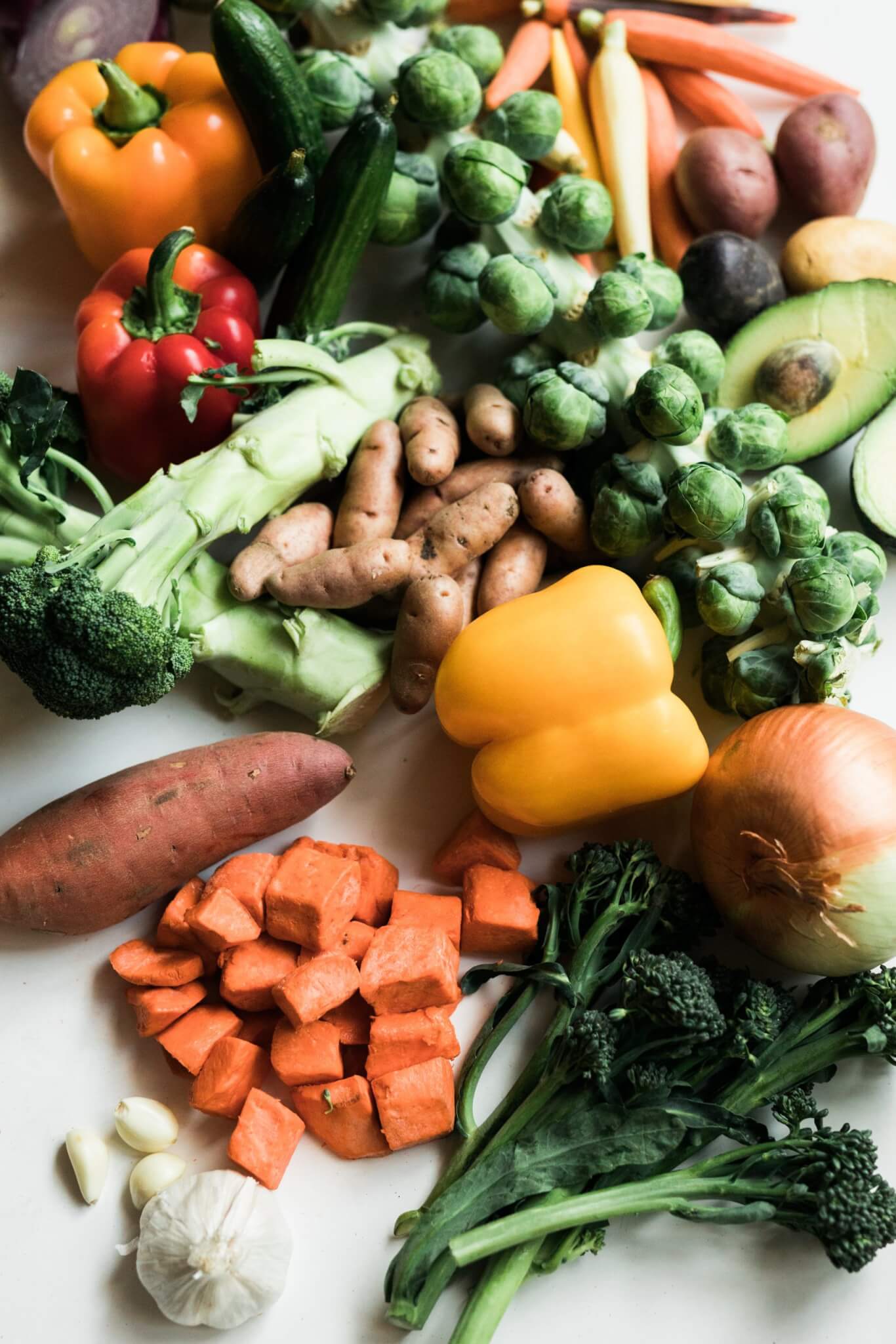
Eat Less Refined Sugar and More Plant Foods
Diets high in refined sugar and other added sugars negatively impact microbes in your gut, according to a review published July 2019 in Nutrients. An earlier article, published in 2017 in Scientific Reports, found a link between sugar intake and symptoms of depression. Foods to focus on, Ghannoum says, include “good proteins from plants, healthy oil such as coconut oil or extra-virgin olive oil, and fruits and vegetables.” More specifically, an anti-inflammatory diet (one full of fruits, vegetables, whole grains, and healthy fats, and with fewer animal products, processed packaged foods, and other foods associated with inflammation in the body) can help reduce depressive symptoms, according to a meta-analysis published in Molecular Psychiatry in July 2019.

Add Aerobic Exercise to Your Daily Routine
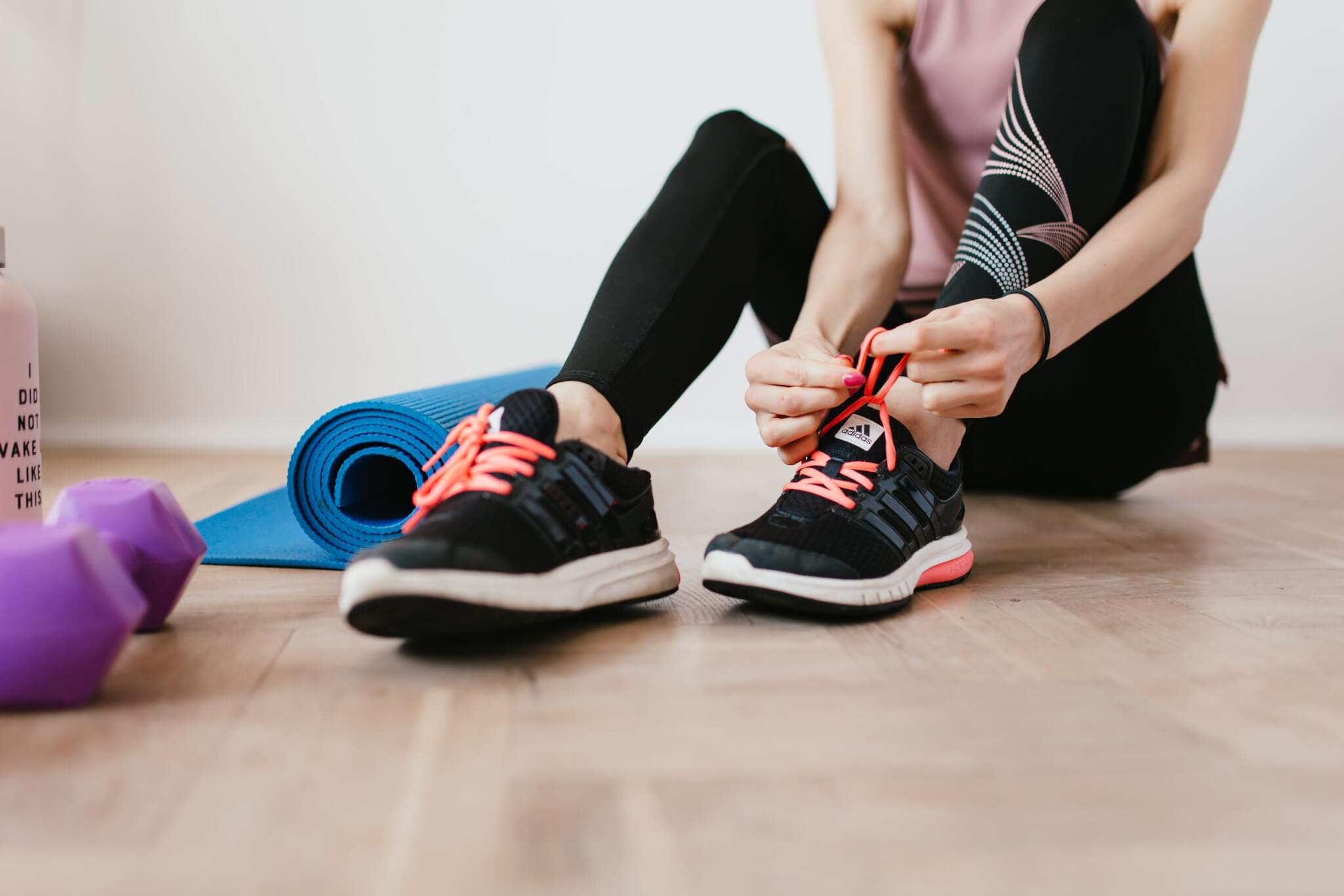
It doesn’t matter whether you walk, run, cycle, or engage in another aerobic activity: Regular endurance exercise enhances gut health. “There is a beneficial association of exercising with the microbiome,” Ghannoum confirms. “It will increase the diversity, which means you have a lot of different microorganisms there.” A diverse microbiome is good for your health, whereas a less diverse microbiome is linked to digestive health issues, per research published in March 2016 in Frontiers in Microbiology.
How much exercise is enough to reap that benefit? A study published in June 2021 in Frontiers in Nutrition suggests that moderate-intensity endurance exercise is best for promoting a healthy gut microbiome. Exercising 30 minutes a day, even walking, will be very good, in fact, regular exercise could deliver a better mood right away.
Fuel Your Microbiome With Probiotics and Fiber
You can easily add probiotics (the live “good” bacteria that flourish in your gut) and fiber — a type of carbohydrate that feeds the good bacteria to your diet by eating certain foods or taking probiotics, affect the composition of microorganisms in the gut, which in turn may lower the risk of mood disorders, among other potential health benefits. That said, it’s not yet clear whether probiotics can help treat an existing mood disorder, so more research is needed before they can be recommended specifically to manage depressive symptoms.
If you take antidepressants or other medications, be sure to talk to your doctor before trying a probiotic supplement, to avoid potential drug interactions.
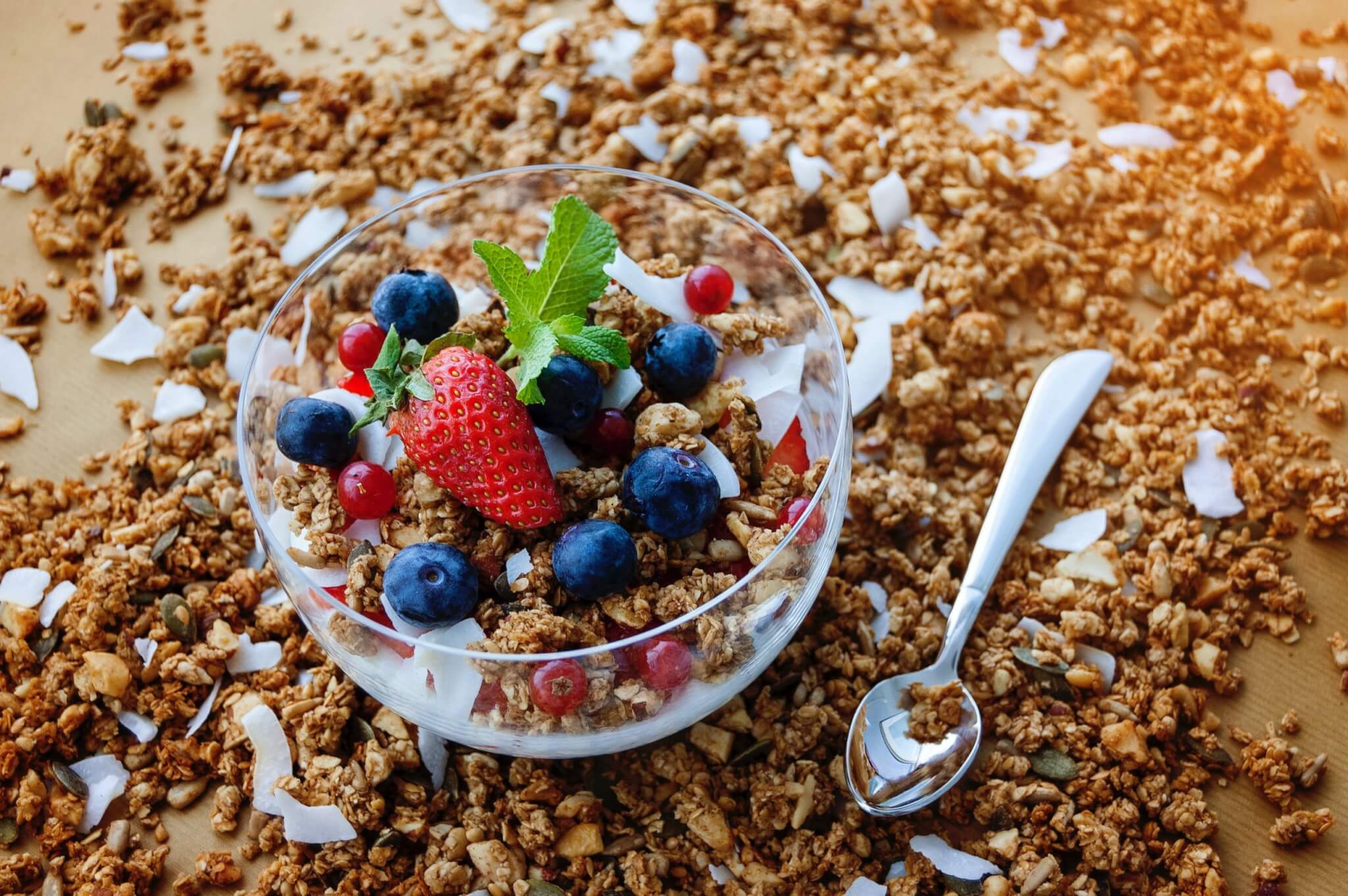
Diets high in refined sugar and other added sugars negatively impact microbes in your gut, according to a review published July 2019 in Nutrients. An earlier article, published in 2017 in Scientific Reports, found a link between sugar intake and symptoms of depression. Foods to focus on, Ghannoum says, include “good proteins from plants, healthy oil such as coconut oil or extra-virgin olive oil, and fruits and vegetables.” More specifically, an anti-inflammatory diet (one full of fruits, vegetables, whole grains, and healthy fats, and with fewer animal products, processed packaged foods, and other foods associated with inflammation in the body) can help reduce depressive symptoms, according to a meta-analysis published in Molecular Psychiatry in July 2019.
It doesn’t matter whether you walk, run, cycle, or engage in another aerobic activity: Regular endurance exercise enhances gut health. “There is a beneficial association of exercising with the microbiome,” Ghannoum confirms. “It will increase the diversity, which means you have a lot of different microorganisms there.” A diverse microbiome is good for your health, whereas a less diverse microbiome is linked to digestive health issues, per research published in March 2016 in Frontiers in Microbiology.
How much exercise is enough to reap that benefit? A study published in June 2021 in Frontiers in Nutrition suggests that moderate-intensity endurance exercise is best for promoting a healthy gut microbiome. Exercising 30 minutes a day, even walking, will be very good, in fact, regular exercise could deliver a better mood right away.
You can easily add probiotics (the live “good” bacteria that flourish in your gut) and fiber — a type of carbohydrate that feeds the good bacteria to your diet by eating certain foods or taking probiotics, affect the composition of microorganisms in the gut, which in turn may lower the risk of mood disorders, among other potential health benefits. That said, it’s not yet clear whether probiotics can help treat an existing mood disorder, so more research is needed before they can be recommended specifically to manage depressive symptoms.
If you take antidepressants or other medications, be sure to talk to your doctor before trying a probiotic supplement, to avoid potential drug interactions.
FIBER
A diet high in fiber may lessen the severity of symptoms of depression

As for fiber, a diet high in this nutrient may lessen the severity of symptoms of depression, per a review published in May 2020 in Nutrition Reviews. Current dietary recommendations advise
adults to consume 14 grams of fiber for every 1,000 calories of food you eat each day.
- Lentils
- Black beans
- Green peas
- Raspberries
- Whole-wheat spaghetti
- Pears
- Bran flakes
- Broccoli
- Oatmeal
- Apple, with skin
- Brussels sprouts
If you want more information on this please feel free to contact our office and we will be most happy to help you evaluate your diet and other issues you may be concerned about.
GET IN TOUCH
Contact us today and start your healing
We are located at the following address. Please use the following details to get in touch with us.
South County Christian Counseling
- (314) 729-0481
- 300 Biltmore Drive #352, Fenton, MO 63026
- Follow Us
South County Christian Counseling
- (314) 729-0481
- 300 Biltmore Drive #352, Fenton, MO 63026
- Follow Us